
WholeSecured

WholeSecured Header
Dark hero — header transparent here
Light section — header goes solid on scroll

What Happens During a Property Safety Inspection? A Complete Step-by-Step Walkthrough

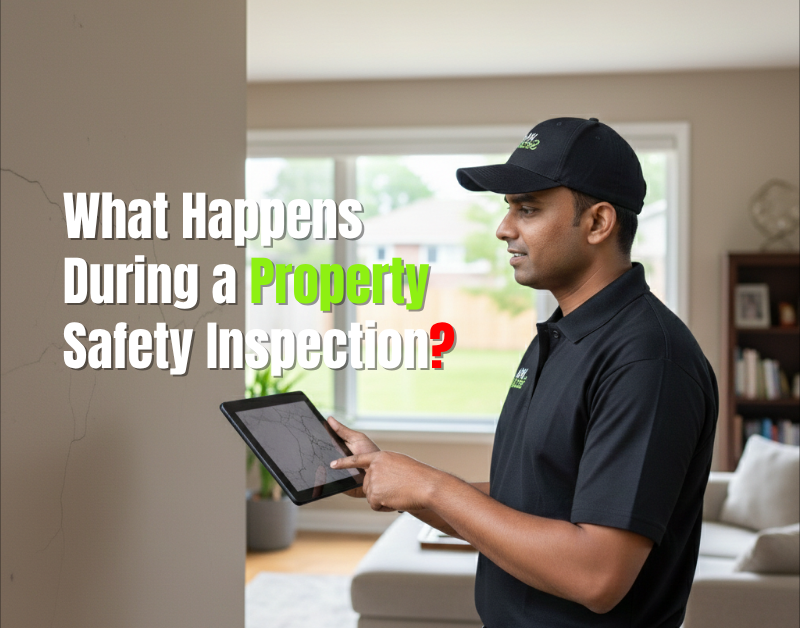
What Happens During a Property Safety Inspection? A Complete Step-by-Step Walkthrough If you have never had a professional property safety inspection done, you might wonder what exactly happens — who comes, what they look at, how long it takes, and what you receive at the end. It is a fair question, and a clear answer makes the process less unfamiliar and easier to commit to. This guide walks you through a WholeSecured property safety inspection from start to finish — exactly what happens at each stage, what systems are assessed, what the inspector is looking for, and what the final report tells you. Whether you are a homeowner, a property buyer, or a building manager, understanding the process makes the value of inspection immediately clear. Before the Inspection — Booking and Preparation The process begins when you contact WholeSecured to schedule an inspection. At this stage, the WholeSecured team will ask you some basic questions about the property: its type (home, apartment, commercial building, industrial unit, warehouse), its approximate size and age, the city or area, and what has prompted the inspection — whether it is a routine safety check, a pre-purchase assessment, a requirement before enrolling in the Preventive Maintenance Plan, or something else. This initial conversation helps WholeSecured allocate the right inspector with the relevant expertise and estimate the time required for the site visit. A standard residential inspection for a mid-sized home or apartment typically takes between three and five hours. Larger or more complex commercial or industrial properties may take longer. You will be asked to ensure access to all areas of the property — including electrical distribution boards, water tanks, drainage access points, and any utility plant rooms — before the inspector arrives. If drawings or previous inspection reports are available, sharing them in advance is useful context, though not mandatory. Stage 1 — Site Arrival and Initial Walkthrough When the WholeSecured inspector arrives at the property, the first step is an initial walkthrough — a broad visual orientation that gives the inspector an understanding of the building’s layout, age, construction type, and condition before the detailed system-by-system assessment begins. During this walkthrough, the inspector is noting the overall impression of the property: the construction quality visible in finishes, the condition of walls and ceilings, any immediately visible signs of seepage or dampness, the general state of electrical fixtures and plumbing fittings, and the access arrangements for the systems that will need to be assessed in detail. The property owner or a representative is usually present during this stage. The inspector may ask questions about the history of the property — any known past issues, previous repairs, the age of electrical wiring, whether any renovation work has been done. This information contextualises the technical findings. Stage 2 — Electrical System Inspection The electrical inspection is typically the most technically detailed part of the assessment. The inspector begins at the main distribution board — examining the type and condition of MCB and RCCB devices, checking for correct labelling, assessing whether the board shows signs of overheating, looking for loose connections, and verifying that the board is housed in a fire-resistant enclosure. From the distribution board, the inspection works through the property’s wiring system. The inspector checks the type of wiring used — modern PVC-insulated copper wiring is standard, but older properties may have aluminium wiring or pre-1990s rubber-insulated cables, both of which carry higher risk. Visible wiring is inspected for damage, improper jointing, inadequate protection in high-risk areas, and overloading indicators. The earthing system is assessed separately. Earthing is one of the most frequently deficient aspects of electrical safety in Kerala homes — a missing or poorly implemented earth creates severe electrocution risk that is completely invisible under normal use. Socket outlets and switch points are inspected for burn marks, sparking signs, or damage. The inspector also assesses whether the overall load distribution across circuits is appropriate for the property’s current usage — a common issue in homes where multiple air conditioning units and high-load appliances have been added over time without a corresponding upgrade to the electrical system. Stage 3 — Plumbing and Water System Inspection The plumbing inspection covers the full water supply and distribution network within the property — incoming supply connection, overhead tank condition, pipe materials and condition, water pressure, and the condition of all sanitary fittings and outlets. The inspector checks for visible and concealed leaks. Concealed plumbing leaks are particularly common in Kerala buildings — moisture seeping through bathroom and kitchen walls, dampness in walls adjacent to concealed pipes, and discolouration on ceilings beneath upper-floor bathrooms are all investigated. Thermal imaging or moisture detection tools may be used where access to concealed pipework is not practical. Pipe material is assessed as part of this stage. GI (galvanised iron) pipes, common in apartments built before 2005, are prone to internal corrosion over time, which reduces water pressure, introduces contamination risk, and eventually leads to pipe failure. Identifying this early helps owners plan for replacement before a more costly emergency situation arises. Stage 4 — Civil Structure and Building Condition The structural assessment examines the physical fabric of the building — walls, floors, ceilings, roof, foundation, and the primary structural frame. Cracks are one of the most common findings in Kerala’s residential properties. The inspector classifies any cracks identified by type: hairline shrinkage cracks are cosmetic, while cracks with specific patterns — stair-step cracks in brickwork, diagonal cracks from door and window corners, or cracks with visible displacement — may indicate structural movement that requires further investigation. Dampness and seepage are examined systematically. Kerala’s climate means that dampness from rising moisture, terrace seepage, or concealed plumbing is extremely common. The inspector identifies the source, the extent, and the likely repair path. Waterproofing condition is assessed for terraces, external walls, wet areas, and any basements or underground areas. Failed waterproofing is one of the most frequent causes of structural deterioration in Kerala buildings over time. Stage 5 — Fire and Emergency Safety

Safe Hands for a Growing Kerala | Property Safety & Preventive Maintenance

Discover how professional property inspection and preventive maintenance are building a safer future for Kerala. Learn why safety is essential for modern buildings. Safe Hands for a Growing Kerala: Building a Safer Future Through Property Safety Kerala is growing rapidly with new homes, apartments, commercial buildings, and business spaces. With this growth comes a serious responsibility—to ensure every structure is safe, strong, and reliable. “Safe Hands for a Growing Kerala” reflects a commitment to protecting people and property through professional inspection and preventive maintenance. Safety is the foundation of sustainable development. Why Property Safety Matters in a Developing Kerala Modern buildings face many hidden risks: Electrical short circuits Water leakage Structural cracks Fire hazards Drainage failures Unsafe water systems Ignoring these issues can cause accidents, financial loss, and health problems. A safe building protects lives and investments. The Role of Preventive Maintenance Preventive maintenance focuses on solving problems before they become dangerous. It includes: Scheduled inspections System performance checks Early defect identification Planned repairs Safety certification This method reduces emergency situations and saves long-term costs. Key Pillars of Building Safety Electrical Safety Wiring inspection Load balancing Panel testing Fire risk control Plumbing & Drainage Leakage detection Pipe assessment Drain cleaning Pressure testing HVAC Systems AC servicing Filter cleaning Ventilation checks Energy optimization STP & WTP Systems Water quality testing Equipment maintenance Pollution control Legal compliance Fire Safety Extinguisher inspection Alarm testing Emergency exit review Evacuation planning Who Needs Professional Safety Support? Property safety is essential for: Apartments Villas Commercial complexes Offices Hospitals Schools Malls Factories Every building that hosts people needs proper safety management. Benefits of a Safe Property System For Owners ✔ Higher property value✔ Lower repair cost✔ Better reputation✔ Stress-free management For Occupants ✔ Safe living✔ Healthy environment✔ Reliable facilities✔ Comfortable spaces For Society ✔ Reduced accidents✔ Sustainable growth✔ Organized development Safety supports progress. Creating a Safety Culture in Kerala “Protective Hands for a Growing Kerala” represents a mission to: ✔ Spread awareness✔ Encourage inspections✔ Promote responsibility✔ Set safety standards When safety becomes a habit, development becomes permanent. Why Choose Professional Property Safety Services? A reliable provider offers: Certified engineers Detailed reports Transparent pricing Emergency response Digital documentation Compliance support Professional service ensures long-term protection. Conclusion Kerala is developing rapidly.But development without safety is risky. With professional inspection and preventive maintenance, we can build: Strong buildings Secure families Trusted businesses A safer Kerala Let us protect tomorrow—today. Call to Action Looking for reliable property safety and preventive maintenance services? Contact WholeSecured today and be part of a safer Kerala.

Fire Safety Inspection for Residential Buildings in Kerala | Complete Guide

Fire Safety Inspection for Residential Buildings in Kerala – Complete Safety Guide (2026) Fire accidents are one of the most dangerous threats to residential buildings. In Kerala, many homes and apartments face fire risks due to faulty wiring, poor maintenance, and lack of safety systems. Unfortunately, most property owners realize the importance of fire safety only after an accident happens. This fire safety inspection for residential buildings guide will help you understand how professional inspection protects your family, property, and future. Regular fire safety inspection is not just a precaution—it is a responsibility. Why Fire Safety is Important in Residential Buildings Residential buildings face multiple fire hazards every day. Common causes include: Electrical short circuits Overloaded connections Gas leakage Faulty appliances Poor wiring systems Improper storage of flammable materials Without proper inspection, these risks can lead to: Loss of life Property damage Insurance rejection Legal issues Emotional trauma Fire safety inspection helps prevent such tragedies. What is Fire Safety Inspection? Fire safety inspection is a professional assessment of a building’s fire prevention and protection systems. It evaluates: Fire risk factors Safety equipment condition Emergency evacuation systems Electrical fire hazards Compliance with safety standards The goal is to identify weak points and correct them before an accident occurs. Key Components of Fire Safety Inspection A complete fire safety audit for residential buildings includes the following areas: 1. Electrical Fire Risk Assessment Electrical faults are the biggest cause of residential fires. Inspection checks: Wiring insulation Overloaded circuits Panel board condition Loose connections Earthing quality RCCB/MCB performance This reduces electrical fire risk. 2. Fire Detection and Alarm Systems Early warning saves lives. Inspectors check: Smoke detectors Heat sensors Alarm panels Manual call points System connectivity Battery backup A working alarm system gives valuable evacuation time. 3. Firefighting Equipment Inspection Fire control equipment must always be functional. Check: Fire extinguishers Hose reels Sprinkler systems Water pressure Refill status Expiry dates Expired or damaged equipment is useless in emergencies. 4. Emergency Exit and Evacuation Safety Safe evacuation is critical. Inspect: Emergency staircases Exit signage Emergency lighting Obstruction-free corridors Fire-resistant doors Refuge areas Blocked exits increase casualty risk. 5. Gas and Kitchen Fire Safety Kitchen-related fires are common in homes. Check: Gas pipeline leakage Regulator condition Stove safety Ventilation system LPG cylinder storage Proper kitchen safety reduces household fire accidents. 6. Storage and Material Safety Improper storage increases fire spread. Inspect: Chemical storage Flammable material placement Electrical room cleanliness Garbage accumulation Basement storage Good housekeeping improves fire safety. Fire Safety Inspection Checklist for Homes and Apartments Before considering your building safe, ensure: Valid fire extinguishers installed Smoke alarms working Emergency exits clear Electrical panels protected Gas systems leak-free Staircases illuminated Fire signage visible No exposed wiring If any item is missing, immediate action is required. Fire Safety in Apartments and High-Rise Buildings Apartments and high-rise buildings face higher risks due to population density. Special checks include: Fire pump systems Overhead fire water tanks Generator fire safety Lift emergency systems Common area alarms Refuge floor safety One fire incident can affect hundreds of residents. Regular inspection is mandatory for safety. Role of Preventive Maintenance in Fire Safety Fire safety improves when combined with preventive maintenance. Maintenance includes: Periodic testing Equipment servicing Wiring upgrades System replacement Safety training Preventive maintenance reduces fire incidents significantly. How Often Should Fire Safety Inspection Be Done? Recommended schedule: Individual Houses – Every 2 Years Apartments – Every Year Commercial-Residential Buildings – Every Months After Renovation – Immediately After Electrical Upgrade – Immediately Regular checks ensure continuous protection. Benefits of Professional Fire Safety Inspection  1. Life Protection Reduces injury and death risk. 2. Property Protection Prevents major fire damage. 3. Insurance Support Helps in claim approval. 4. Legal Compliance Avoids penalties and disputes. 5. Peace of Mind Confidence in daily living. How Professional Fire Safety Inspection Works A standard inspection process includes: Site visit System evaluation Risk assessment Equipment testing Photo documentation Compliance check Detailed report Safety recommendations This ensures transparency and reliability. Why Choose WholeSecured for Fire Safety Inspection? WholeSecured provides professional fire safety inspection services across Kerala. Our strengths include: Certified inspectors Advanced testing tools Digital safety reports Compliance guidance Affordable packages Ongoing support We focus on building a culture of safety and prevention. Frequently Asked Questions (FAQs) Is fire safety inspection mandatory? For apartments and commercial buildings, it is highly recommended and often required. How much does inspection cost? Depends on building size and systems installed. Will I get a certificate? Yes, after successful inspection and compliance. How long does inspection take? Usually 3–6 hours for residential buildings. Final Thoughts Fire accidents can destroy everything within minutes. But most fire incidents are preventable with proper inspection and maintenance. By following this fire safety inspection for residential buildings guide and scheduling regular audits, you protect your family, neighbor’s, and property. Safety is not optional. It is essential. 📞 Book Your Fire Safety Inspection Today Protect your home and loved ones from fire hazards. 👉 Contact WholeSecured now for professional fire safety inspection and certification.

Property Safety Inspection in Kerala – Complete Guide for Safe Living (2026)

  Property Safety Inspection in Kerala – Complete Guide for Safe Living (2026) Owning a home or commercial building in Kerala is a dream for many families and investors. However, before living in or purchasing any property, it is very important to ensure that the building is safe, stable, and legally compliant. This is where property safety inspection in Kerala plays a crucial role. A professional safety inspection helps you identify hidden electrical risks, plumbing issues, structural weaknesses, and fire hazards before they become costly or dangerous. In this complete guide, you will learn everything about home inspection in Kerala, why it is necessary, what it includes, and how it protects your family and investment. Why Property Safety Inspection is Important in Kerala Kerala’s climate, heavy monsoon rains, and high humidity can damage buildings over time. Many homes face problems such as: Electrical short circuits Water leakage Weak foundations Cracks in walls Unsafe wiring Poor drainage systems Without proper inspection, these issues may remain unnoticed until a serious accident or financial loss occurs. A certified property safety inspection ensures that your building meets safety standards and reduces future risks. What is Included in a Property Safety Inspection? A professional property inspection service in Kerala usually covers the following major areas: 1. Electrical Safety Inspection Electricity-related accidents are one of the most common causes of fires in homes. Inspection includes: Wiring condition Load capacity Earthing system Circuit breakers Panel board safety This ensures your home is protected from short circuits and fire hazards. 2. Plumbing and Drainage Inspection Water leakage and poor drainage can weaken the structure of your building. Plumbing inspection checks: Pipe leakage Water pressure Bathroom fittings Drainage flow Septic system condition Early detection saves repair costs. 3. Structural Safety Inspection Structural stability is the backbone of any building. Engineers check: Foundation strength Wall cracks Dampness Waterproofing Issues Roof condition Beam and column safety Load-bearing capacity This is especially important for old buildings and apartments. 4. Fire and Emergency Safety Check Fire safety systems are often ignored in residential buildings. Inspection includes: Fire extinguishers Emergency exits Smoke alarms Electrical overload risks This helps protect lives during emergencies. 5. HVAC System Inspection (Heating, Ventilation & Air Conditioning) Many residential and commercial buildings in Kerala use HVAC systems for cooling, ventilation, and air circulation. If not maintained properly, HVAC systems can affect indoor air quality and increase electricity costs. HVAC inspection includes: Air conditioning unit performance Ventilation airflow Filter cleanliness Duct leakage Energy efficiency check Noise and vibration analysis Regular HVAC inspection is especially important for apartments, offices, hospitals, and commercial buildings. 6. STP Inspection (Sewage Treatment Plant Inspection) Many modern apartments, villas, and commercial complexes in Kerala use STP systems for wastewater treatment. Poorly maintained STP systems can cause bad smell, pollution, and health risks. STP inspection covers: Treatment tank condition Motor and pump performance Sludge management system Water discharge quality Pipeline leakage Control panel safety Regular STP inspection ensures safe and eco-friendly wastewater management. 7. WTP Inspection (Water Treatment Plant Safety Check) Clean and safe water is essential for every building. Many apartments and institutions use Water Treatment Plants (WTP) for purification and storage. WTP inspection includes: Water filtration system check Storage tank cleanliness Chemical dosing system Pump efficiency Pipeline condition Water quality testing Proper WTP maintenance ensures continuous access to clean water for residents and users. Integrated Facility System Safety Approach Modern buildings depend on multiple systems such as electrical, plumbing, HVAC, STP, and WTP. Ignoring any one system can affect the entire building’s safety. A complete property safety inspection integrates: Structural safety Electrical systems Plumbing networks HVAC performance STP operations WTP functionality This integrated approach ensures long-term safety, comfort, and compliance. Who Needs Property Safety Inspection? Property safety inspection is useful for: Homeowners Flat owners Villa owners Commercial building owners Real estate investors Property buyers Landlords If you belong to any of these groups, regular inspection is highly recommended. Benefits of Property Safety Inspection in Kerala 1. Protects Your Family Safety inspection reduces risks of fire, electrocution, and accidents, ensuring peaceful living. 2. Saves Money in the Long Term Minor repairs today prevent major expenses tomorrow. 3. Increases Property Value A safety-certified building attracts better buyers and tenants. 4. Legal and Insurance Support Inspection reports help in insurance claims and legal matters. 5. Confidence While Buying Property You can make informed decisions before purchasing. When Should You Do a Property Inspection? You should schedule inspection: 📌 Before buying a property 📌 Every 2–3 years for old buildings 📌 After renovation 📌 Before renting or leasing 📌 After flood or storm damage Regular inspections maintain long-term safety. How Professional Inspection Works A typical inspection process includes: Site Visit Technical Assessment Risk Analysis Photo Documentation Detailed Report Safety Recommendations Certification (if applicable) This systematic approach ensures transparency and reliability. Choosing the Right Property Inspection Service in Kerala While selecting a service provider, check: ✔️ Experience ✔️ Qualified engineers ✔️ Transparent reports ✔️ After-service support ✔️ Customer reviews Avoid choosing cheap services that compromise quality. Role of Preventive Maintenance in Property Safety Property inspection is most effective when combined with preventive maintenance. Preventive maintenance includes: Regular servicing Periodic checks Minor repairs System upgrades This keeps your building safe throughout the year. Why Choose WholeSecured for Property Safety Inspection? WholeSecured offers professional property safety inspection and preventive maintenance services across Kerala. Key strengths include: Trained inspection team Kerala First Structured Ecosystem Advanced checking methods Detailed digital reports Customer-focused approach Affordable packages Our mission is to build a culture of property safety and preventive maintenance in Kerala. Frequently Asked Questions (FAQs) How much does property safety inspection cost in Kerala? The cost depends on property size, age, and inspection scope. It usually ranges from affordable basic packages to advanced technical inspections. Is inspection mandatory? While not legally mandatory for all homes, it is strongly recommended for safety and investment protection. How long does inspection take? Most residential inspections are completed within 3–6 hours. Will I get a report? Yes. A detailed